 Video
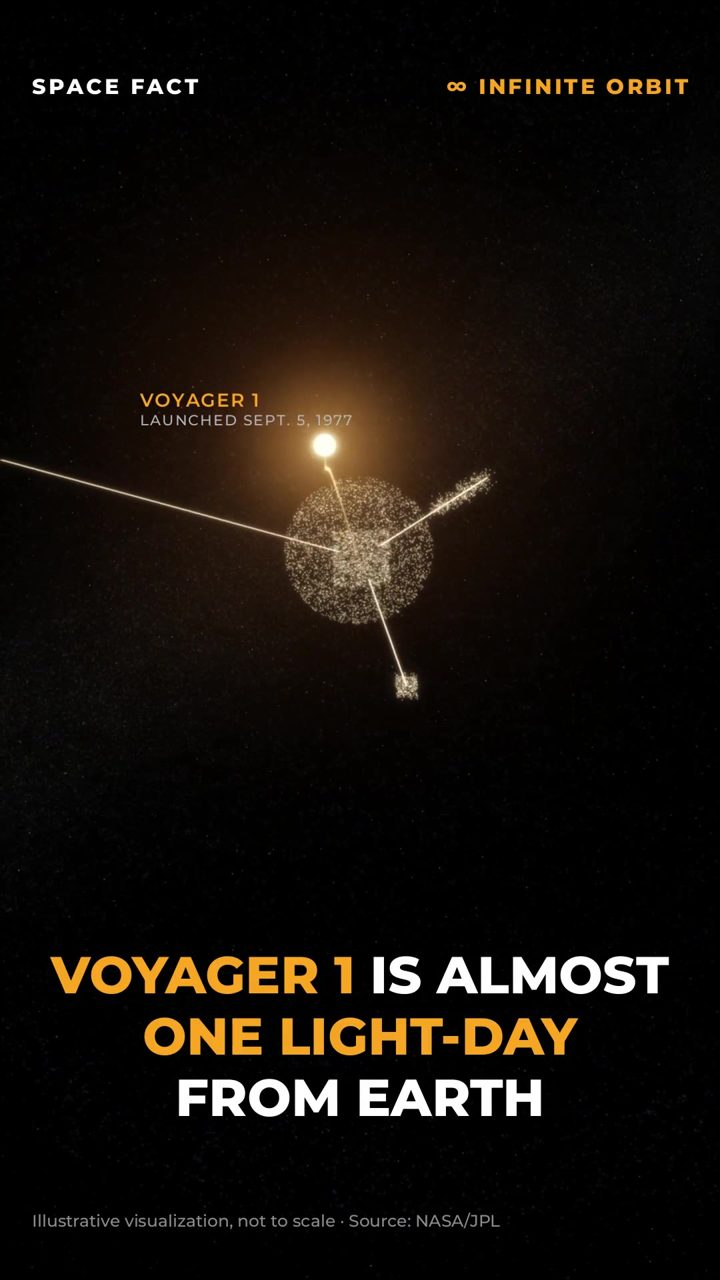
Voyager 1 Is About to Become the First Spacecraft One Light-Day From Earth
On Nov. 18, 2026, Voyager 1 will be about 16.1 billion miles (25.9 billion km) from Earth, so far that a radio signal needs a full day to reach it.
Section · 14 stories
Spacecraft, telescopes, launches and the people exploring space.
VideoOn Nov. 18, 2026, Voyager 1 will be about 16.1 billion miles (25.9 billion km) from Earth, so far that a radio signal needs a full day to reach it.
 Video
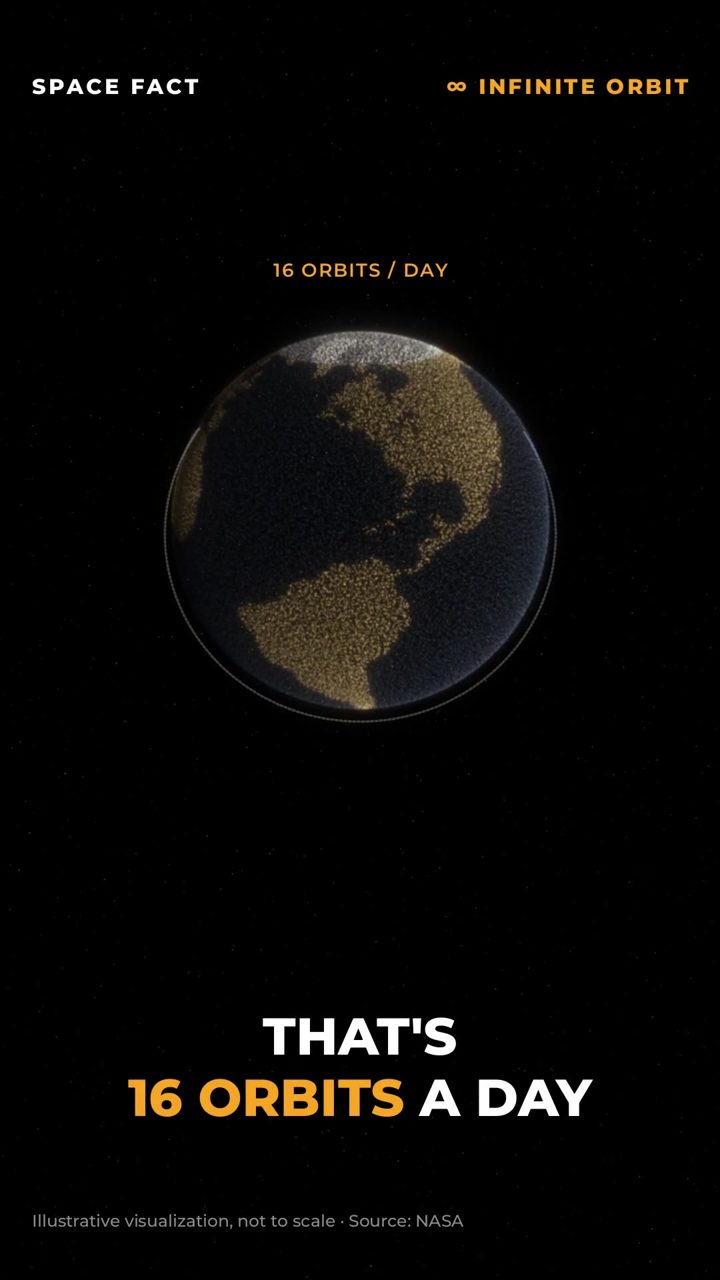
The International Space Station orbits Earth about every 90 minutes, so its crew sees 16 sunrises and sunsets every 24 hours.
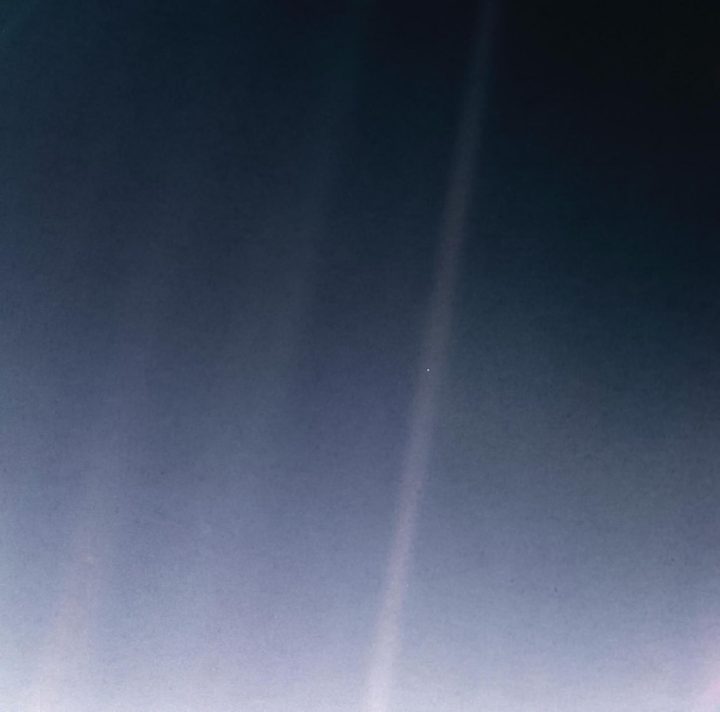
In 1990 Voyager 1 looked back from about 6 billion km away and saw Earth as a tiny speck in a sunbeam. NASA/JPL reprocessed the image in 2020.
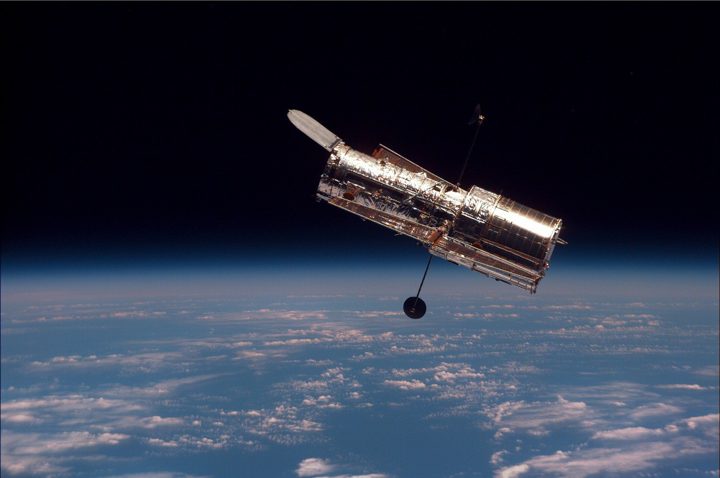
NASA is asking industry whether a commercial mission could boost Hubble to a higher orbit, service it, or safely bring it down before its expected re-entry around 2033-2034.
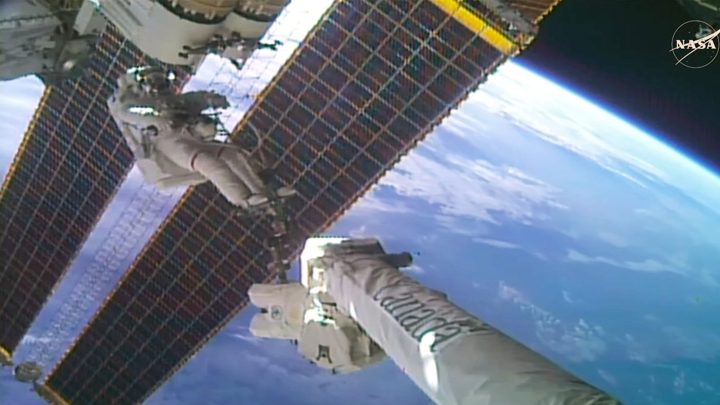
Anil Menon and Joshua Kutryk spent 7 hours and 11 minutes outside the ISS installing the seventh of eight roll-out solar arrays, which together will raise station power to about 215 kilowatts.
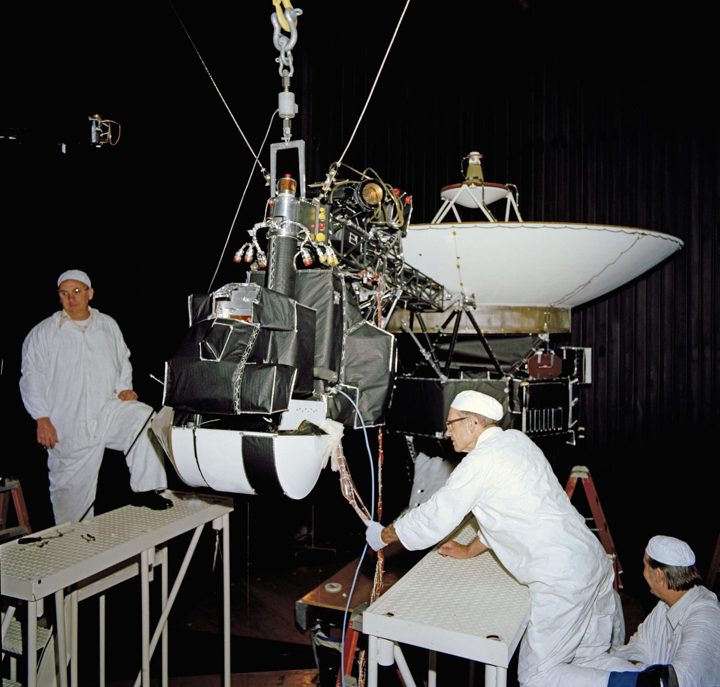
NASA lost contact with Voyager 1 for two days in October before its signal returned on its own, weeks after a power-saving swap that keeps its instruments running longer.

Anyone can add their name to a microchip aboard NASA's Dragonfly rotorcraft, which launches in 2028 and arrives at Titan in 2034. Sign-ups close January 15, 2027.
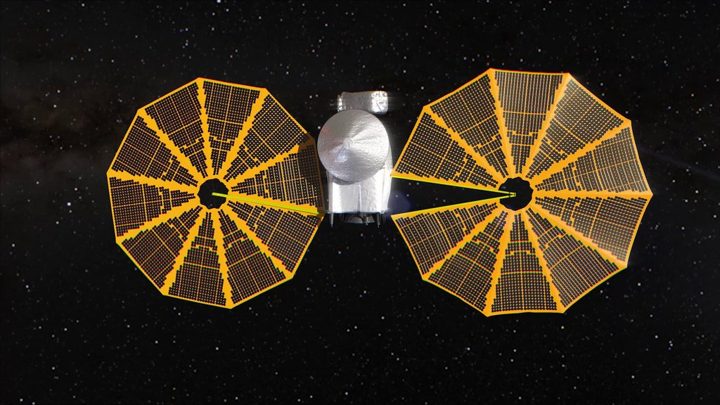
After 2.2 billion miles and five years in space, Lucy has entered the region of the Jupiter Trojan asteroids, with its first flyby set for August 2027.
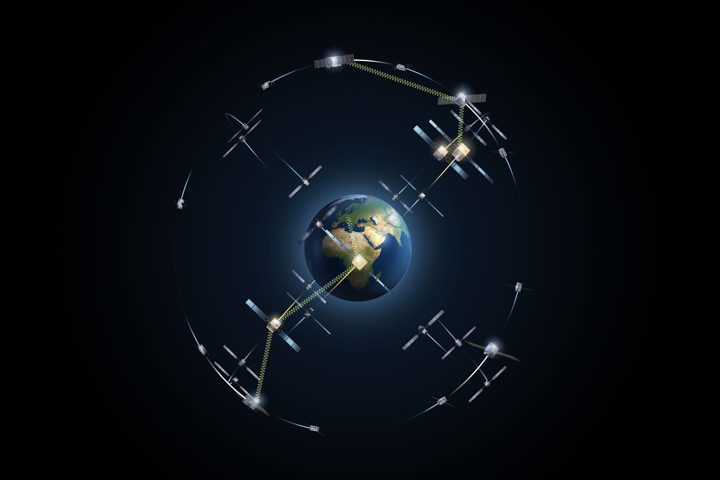
ESA has extended contracts with Thales Alenia Space and Airbus, growing the next-generation Galileo navigation fleet to 16 satellites.
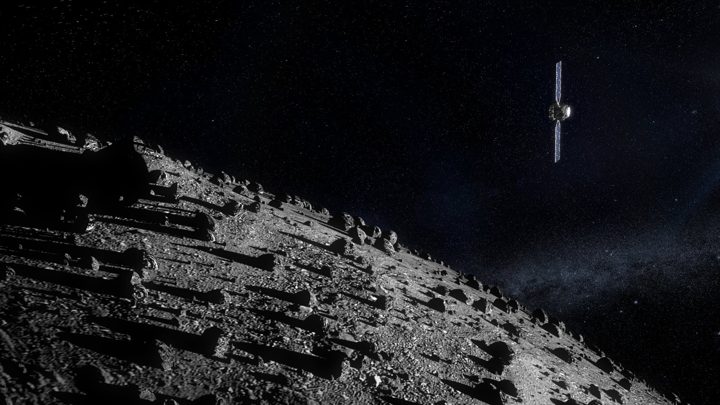
From 1,280 km away, ESA's Hera spacecraft has resolved Dimorphos, the asteroid hit by NASA's DART in 2022, as a separate dot beside its parent Didymos.
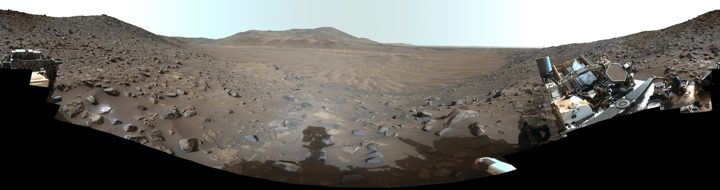
Dust clinging to spacesuit samples on NASA's Perseverance rover includes particles as small as 100 nanometres, small enough to reach the lungs.
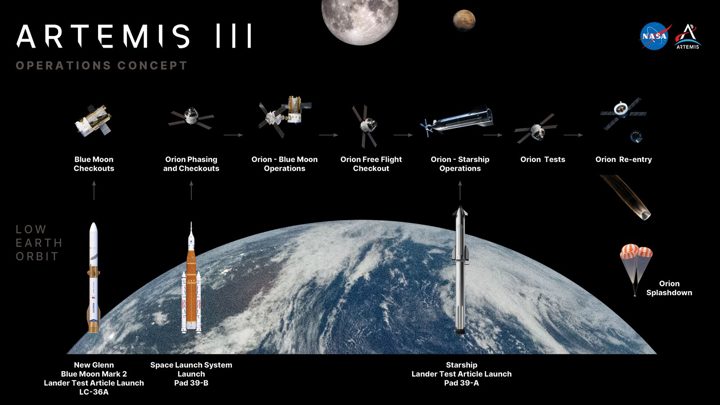
Four astronauts will spend about 14 days in low Earth orbit docking Orion with test versions of Blue Origin's and SpaceX's lunar landers.
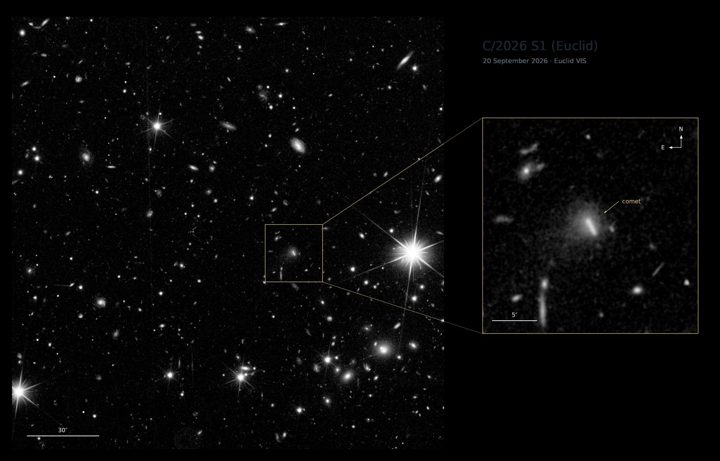
ESA's galaxy-mapping telescope has found comet C/2026 S1 (Euclid), arching high above the planets about 1.3 billion km from Earth.
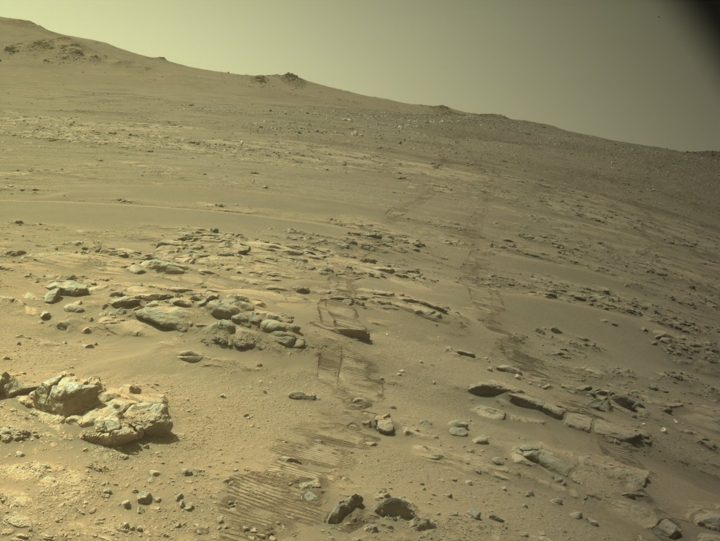
With 45.22 km on its odometer, NASA's Perseverance has overtaken Opportunity's record in about a third of the time.
Join the orbit
Follow Infinite Orbit for daily space news, 3D space-fact Reels and the latest discoveries from across the cosmos.