Earth Is Carrying You Around the Sun at About 67,000 mph
Sitting still is an illusion. Earth moves around the Sun at an average of about 18.5 miles every second, and it is actually a little faster in January than in July.
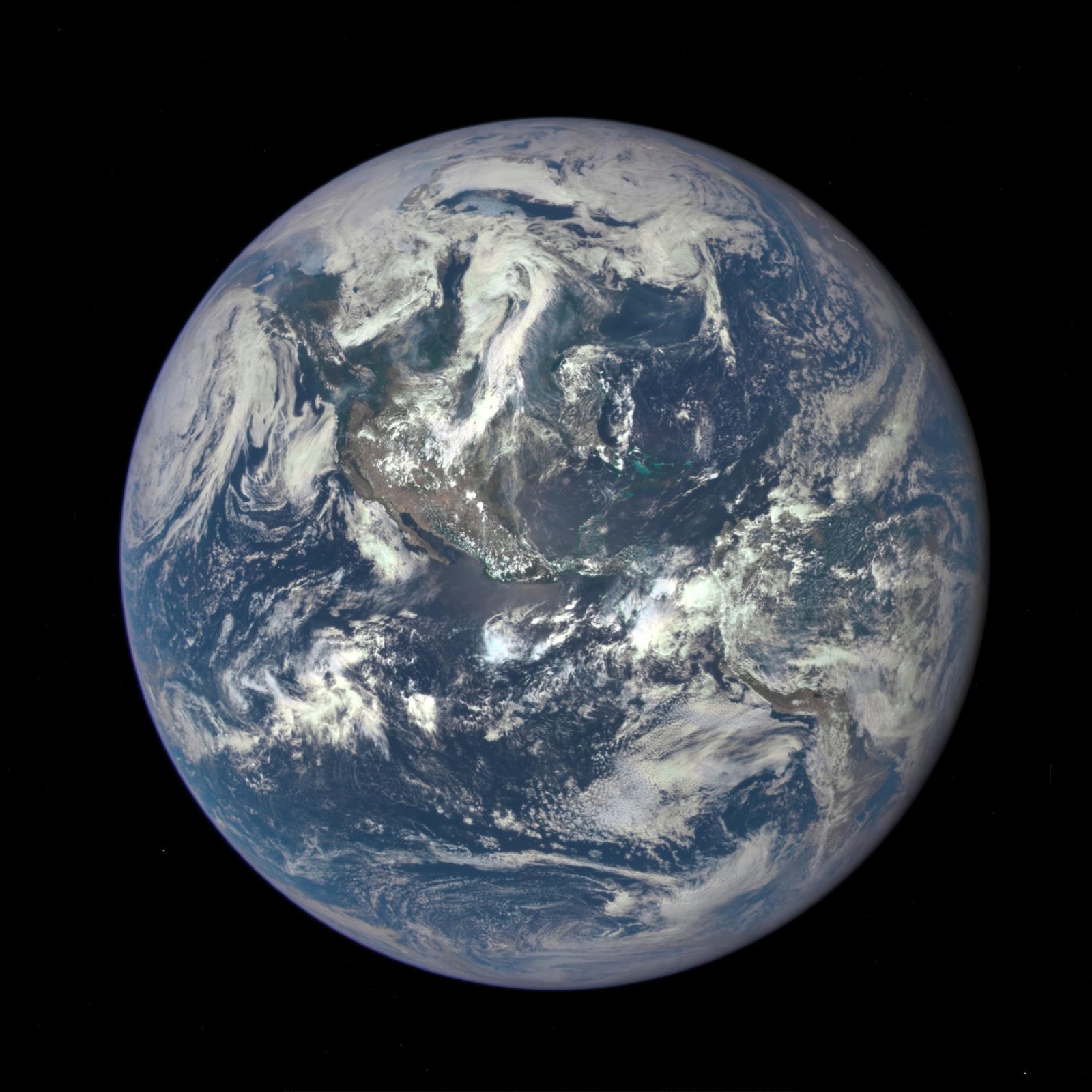
Right now you are moving far faster than any jet airliner or rifle bullet. According to NASA's Earth fact sheet, our planet travels around the Sun at an average of 29.78 km per second. That works out to about 66,600 mph (107,200 km/h), usually rounded to 67,000 mph, or roughly 18.5 miles every second.
A trip of 584 million miles
One lap around the Sun covers about 584 million miles (940 million km), and it takes a year to complete. In the time it takes to read this sentence, Earth has moved more than 100 miles along its path.
Faster in January than in July
Earth's orbit is slightly oval, so its speed changes through the year. In early January, Earth reaches perihelion, its closest point to the Sun, about 91.4 million miles (147.1 million km) away. Gravity is pulling a little harder there, and Earth speeds up to about 67,800 mph (30.29 km/s).
In early July, at aphelion, Earth is about 94.5 million miles (152.1 million km) from the Sun and slows to about 65,500 mph (29.29 km/s).
If being closest to the Sun in January sounds backward, that's because distance is not what causes the seasons. Earth's axis is tilted about 23.4 degrees, and that tilt decides which hemisphere gets more direct sunlight. When it's winter in the north, the planet is actually at its nearest to the Sun.
Why you don't feel it
Your body only notices changes in speed or direction, like a car braking or an elevator starting. Earth's motion around the Sun is smooth and nearly constant, and the ground, the oceans and the air all move with you. There is no wind of motion and no jolt, so it feels as if we are standing still.
And that's only one of your motions
Earth also spins. At the equator, the ground moves at about 1,040 mph (1,670 km/h) as the planet turns once a day. And the Sun, with all of its planets, is moving around the center of the Milky Way at about 515,000 mph. Put together, "standing still" is one of the fastest things you will ever do.
Enjoyed this story?
Get new space stories and 3D space-fact Reels in your Facebook feed every day.