Leonid Meteors Hit Our Sky at 44 Miles per Second
The Leonids are some of the fastest meteors, hitting the atmosphere at about 44 miles (71 km) per second. In 2026 the shower peaks on the night of Nov. 16-17.
Mid-November brings one of the fastest meteor showers of the year. NASA says Leonid meteors hit Earth's atmosphere at about 44 miles (71 kilometers) per second, which works out to roughly 158,000 mph (256,000 km/h). At that speed, the tiny grains burn up high in the sky in bright, often colorful streaks.
Dust from a comet
Every Leonid is a small piece of comet 55P/Tempel-Tuttle. Each time the comet swings past the Sun it sheds dust along its path, and every November Earth plows through that trail. The comet takes 33 years to orbit the Sun once, and its nucleus is only about 2.24 miles (3.6 kilometers) across.
When to look
NASA lists the 2026 Leonids as active from Nov. 6 to Nov. 30, with the peak on the night of Nov. 16-17. Normal years are modest, often only a few meteors an hour from a dark site, but the Leonids are known for bright fireballs and long, colorful earth-grazers. Roughly every 33 years they can turn into a storm: in 1966, viewers saw thousands of meteors per minute for about 15 minutes. The last Leonid storm was in 2002.
Viewing tips: go somewhere dark, away from city lights, after about midnight local time. Lie back with your feet pointing east, give your eyes about 30 minutes to adjust, and look at the whole sky, not just at the constellation Leo. Meteors far from Leo look longer and more impressive.
Source: NASA: Leonids Meteor Shower.
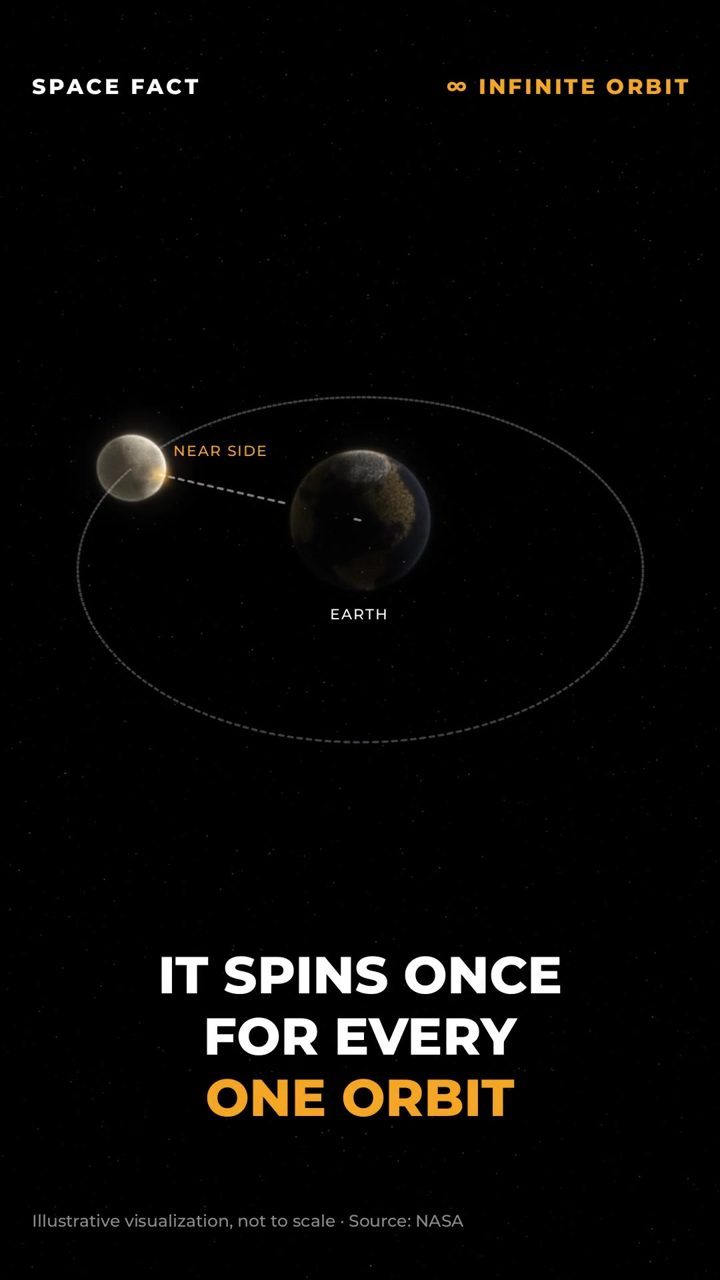
The video above is an illustrative 3D visualization and is not to scale.
Enjoyed this story?
Get new space stories and 3D space-fact Reels in your Facebook feed every day.