Drop a Ball From 328 Feet. Here's How Long It Takes to Land on Other Worlds
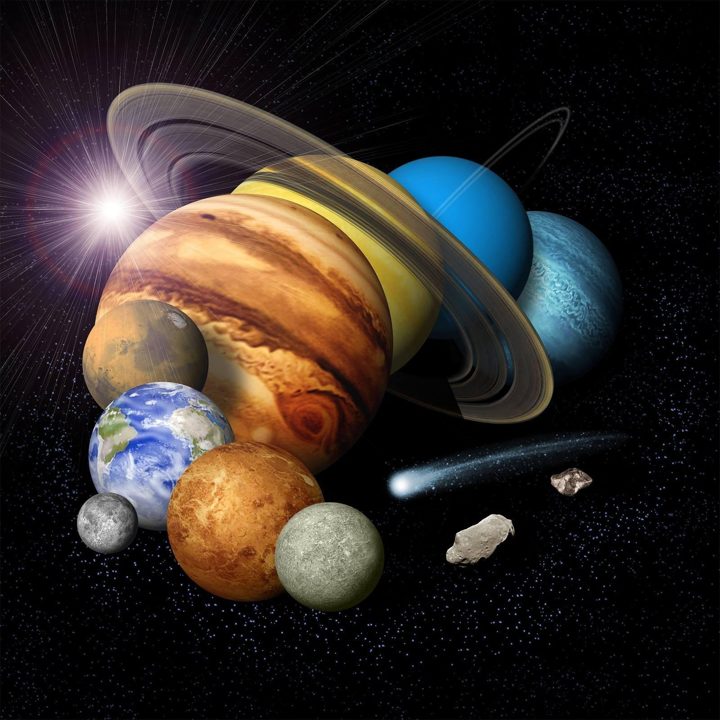
The same 328-foot drop takes 4.5 seconds on Earth, 11 seconds on the Moon and well under a second at the Sun's surface. Simple physics shows how different gravity is across the solar system.
Here is a simple experiment you can run anywhere in the solar system, at least on paper. Hold a ball 328 feet (100 meters) above the ground, about the height of a 30-story building, and let go. How long until it lands?
The answer depends only on the local gravity. The weight of the ball does not matter, and neither does its size, as long as there is no air to slow it down. We used the surface gravity values from NASA's planetary fact sheets and the standard free-fall formula to work out each drop, ignoring air resistance.
The results
- Earth: about 4.5 seconds, hitting at about 99 mph (159 km/h).
- The Moon: about 11.1 seconds, hitting at about 40 mph (65 km/h). Gravity there is roughly one-sixth of Earth's.
- Mars: about 7.4 seconds, hitting at about 61 mph (98 km/h). Mercury gives almost exactly the same result, because the two planets have nearly identical surface gravity.
- Jupiter: about 2.9 seconds, hitting at about 152 mph (245 km/h). Jupiter has no solid surface, so this is measured at its cloud tops.
- The Sun: about 0.85 seconds, hitting at about 524 mph (843 km/h). At the Sun's visible surface, gravity is about 28 times stronger than on Earth.
Why heavy and light objects fall together
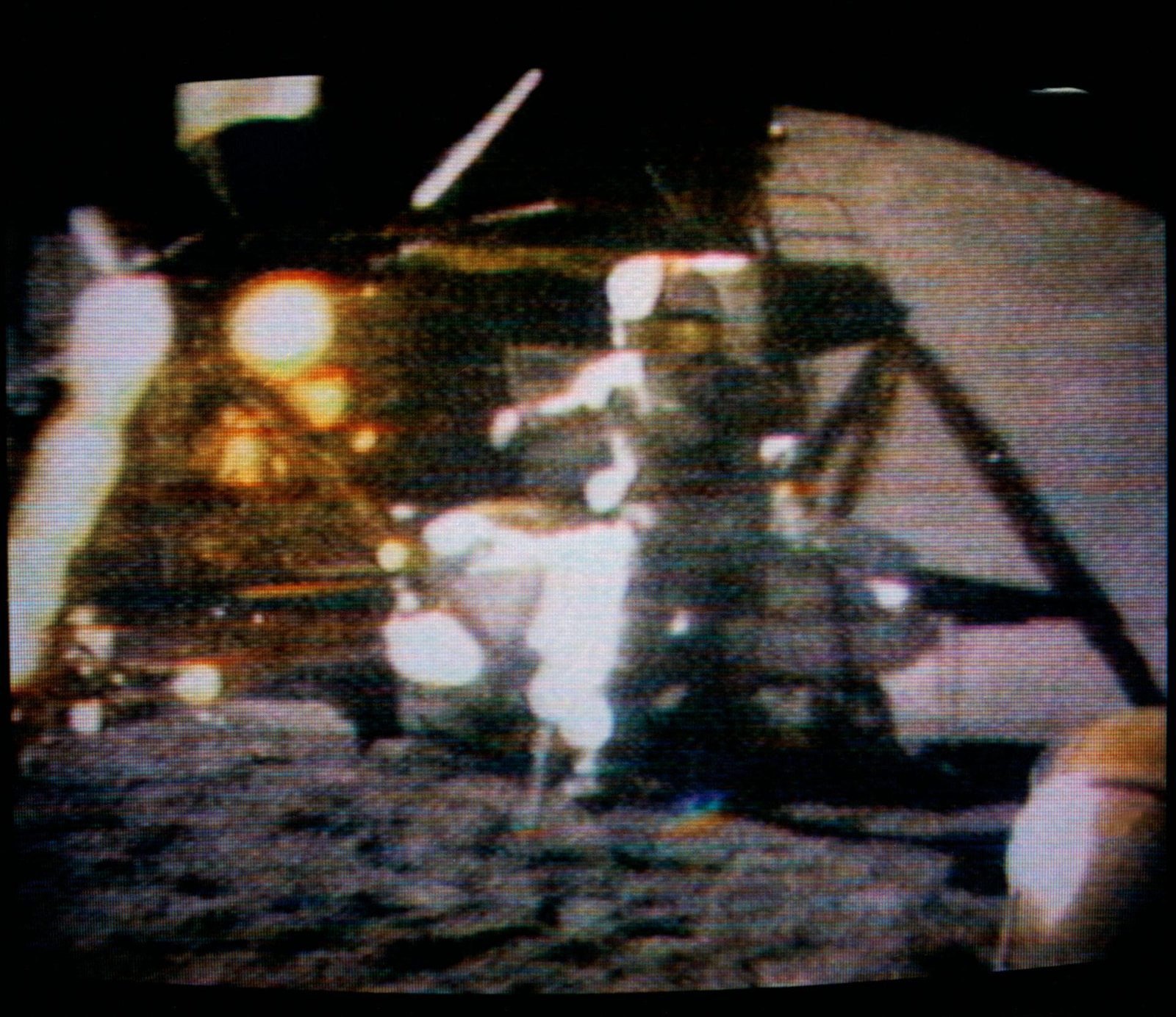
Galileo argued centuries ago that, without air, a heavy object and a light one fall at the same rate. On August 2, 1971, Apollo 15 commander David Scott tested it on live television. Standing on the airless Moon, he dropped a geological hammer and a falcon feather at the same instant. They hit the ground together.
On Earth, air changes the result. A real ball dropped from 328 feet would be slowed by air resistance, and a feather would drift down slowly. The times above describe a perfect vacuum, which is why they work so neatly on the Moon.
Why gravity changes from world to world
Surface gravity depends on two things: how much mass a world has and how far its surface is from its center. Jupiter is more than 300 times as massive as Earth, but it is also very wide, so its pull at the cloud tops is only about 2.4 times ours. The Sun holds 99.8 percent of the solar system's mass, which is why even a short drop there is over in less than a second.
Enjoyed this story?
Get new space stories and 3D space-fact Reels in your Facebook feed every day.